Keratin-Safe Flat Irons: What \"Safe\" Actually Means
"keratin-safe" isn't a certification — no one tests for it. What a keratin treatment actually needs from a flat iron is two things: an exact, steady temperature (450°F to seal it in the salon, 300–350°F to maintain it at home), and even heat across the whole plate so no part of a section gets more than the number on the display. Buy for those two things and ignore the label.
Hair Tool Specialist, 15 Years
7 min read
I get asked for a "keratin-safe" iron every week. I understand why — you've spent $200 to $400 on a treatment and you don't want to undo it. But the phrase is marketing, and it's worth understanding what the treatment is doing so you can judge an iron on what matters.
What does a keratin treatment actually need from heat?
A keratin or smoothing treatment coats the hair with a protein solution and then seals it with heat. That sealing pass is done in the salon, section by section, at a high temperature — almost always 450°F. The heat bonds the treatment to the hair shaft. If the iron runs cooler than it says, the treatment doesn't fully set and washes out in weeks. If it runs hotter in spots, those spots over-process and the hair gets dry and brittle right where the plate was hottest.
So for the salon step, the iron needs to deliver 450°F and hold it evenly across every inch of the plate, section after section. That's a heater and plate question, not a "safe" question.
At home, after the treatment, the need flips. Treated hair is already smooth. You're not fighting the hair anymore — you're just refreshing the finish. That takes 300–350°F, and the iron needs to actually go that low and stay there. Running a treated head at 400°F every morning is how a three-month treatment lasts five weeks.
Why does even heat matter more on treated hair?
Because treated hair has less margin.
Untreated hair can take a hot spot on the plate — a corner running 30 degrees over the display — and you'll rarely notice. Treated hair notices. The protein layer on the surface is what the heat hits first, and where it's overheated it goes dull, then dry, then it starts to break. You see it as a patch of frizz on hair that was glass-smooth a month ago.
Two things in the iron control this:
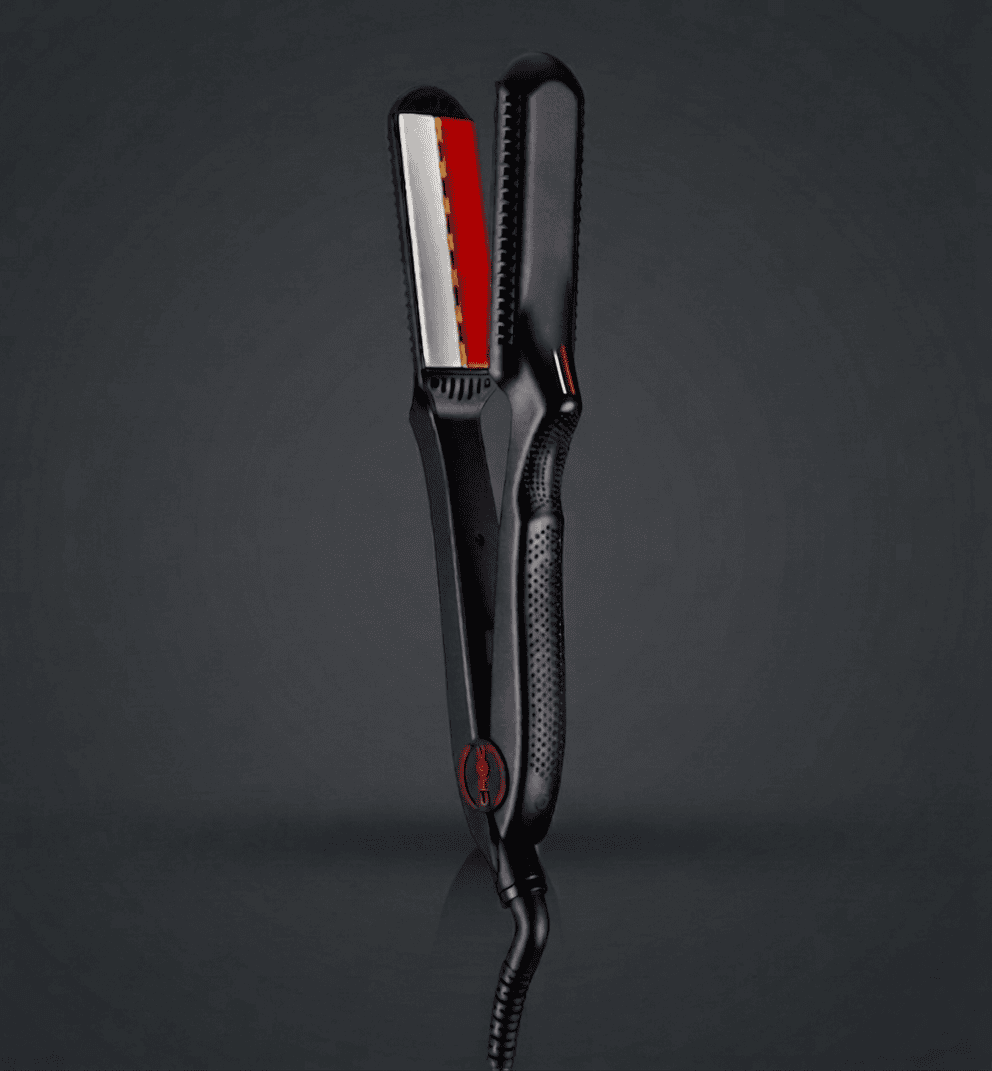
Plate construction. Titanium spreads heat across the plate surface faster and more evenly than ceramic alone, so the temperature at the edge is the temperature in the middle. Our tri-plates — ceramic and tourmaline under a titanium surface — are built for exactly this: titanium's even spread with a slightly softer hand-off into the hair, which is what a protein-coated strand wants.
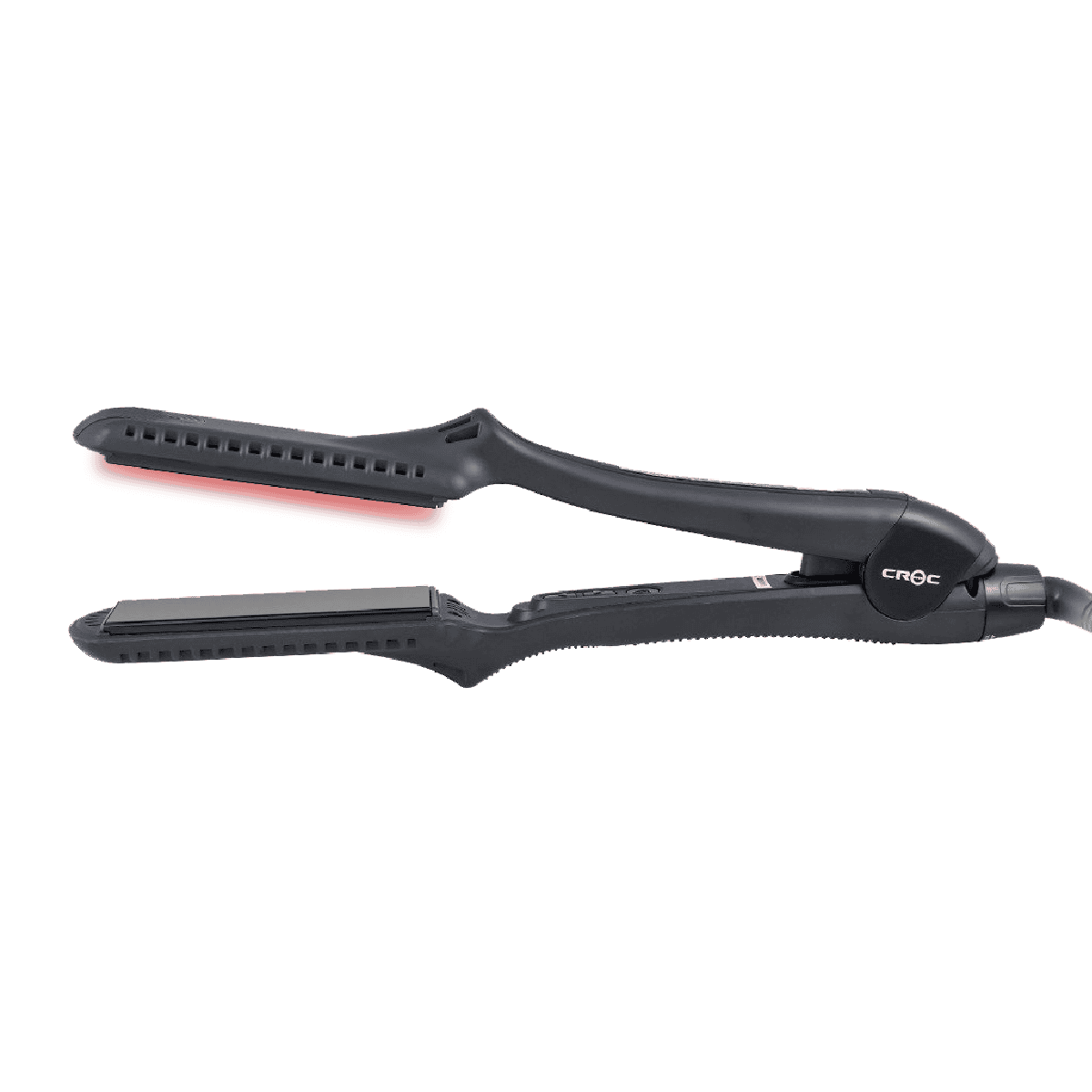
Heater type. An infrared ceramic heater warms the section from inside the clamp rather than just from the plate surface, so the middle of a section reaches temperature with the outside. Less surface scorch, and you can often run 20 degrees cooler for the same finish — which, on a treatment you're trying to preserve, is the whole game. What infrared actually does →
What should a "keratin-safe" flat iron have? The real checklist
Forget the label. Look for these:
- A digital display with 5- or 10-degree steps. Not "low / medium / high." You need to set 320 and know it's 320.
- A range that reaches 450°F if it's going to be used to seal, and goes down to 280–300°F for maintenance. Many irons do one or the other.
- Titanium or a titanium-surfaced tri-plate, for even heat across the plate.
- Floating plates, so pressure is even across the full width of the section and no edge digs in.
- Infrared heating, for even heat through the section and a lower working temperature.
- Fast recovery. After a section pulls heat out of the plate, the iron should be back at temperature before the next one. Underpowered heaters sag, and you compensate by turning up — which is the one thing treated hair can't afford.
Anything sold as "keratin-safe" that doesn't have a digital display isn't.
What temperature should I use on keratin-treated hair at home?
300–350°F. Start at 320°F. Go up only if a single clean pass doesn't refresh the finish.
| Situation | Temperature |
|---|---|
| Sealing in the salon (stylist) | 450°F |
| Daily/weekly refresh, healthy treated hair | 320–350°F |
| Refresh on fine or color-treated hair | 300–320°F |
| Touch-up on already-straight hair | 280–300°F |
If your hair is fine as well as treated, the fine-hair guide's numbers take priority — go to the low end. Flat irons for fine hair →
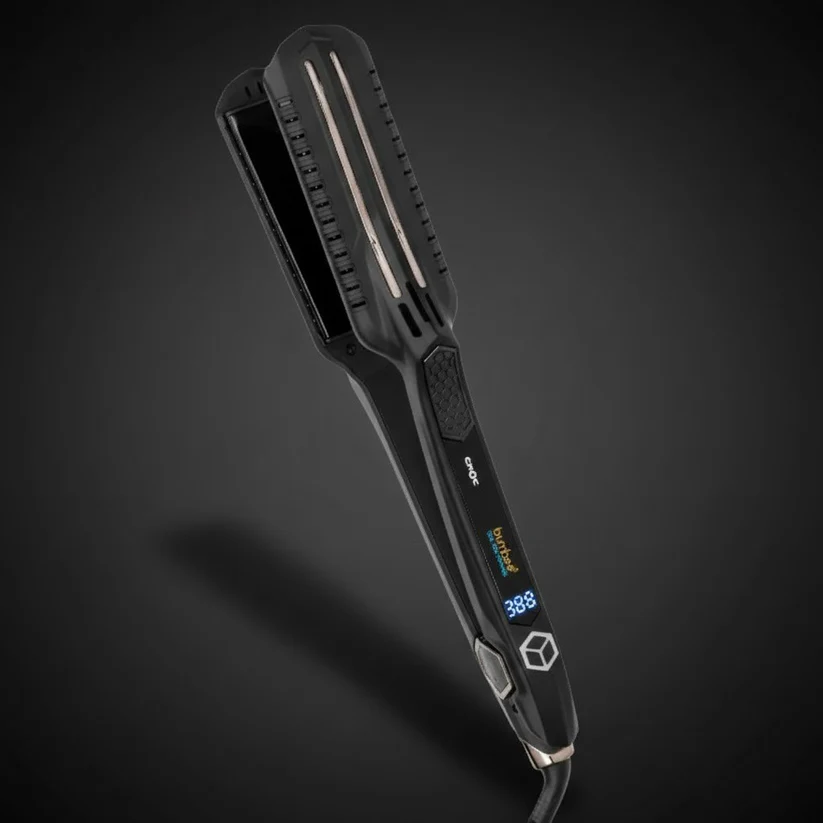
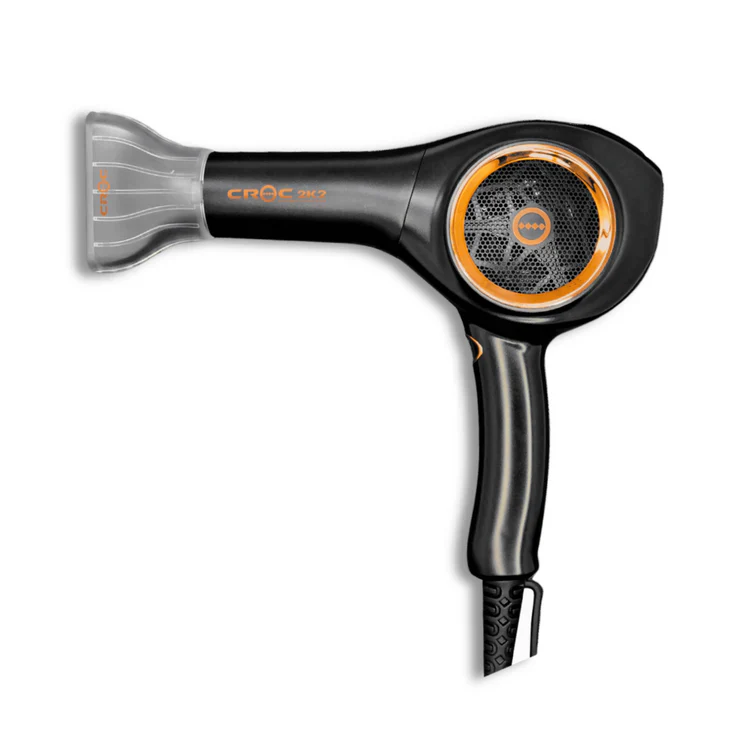
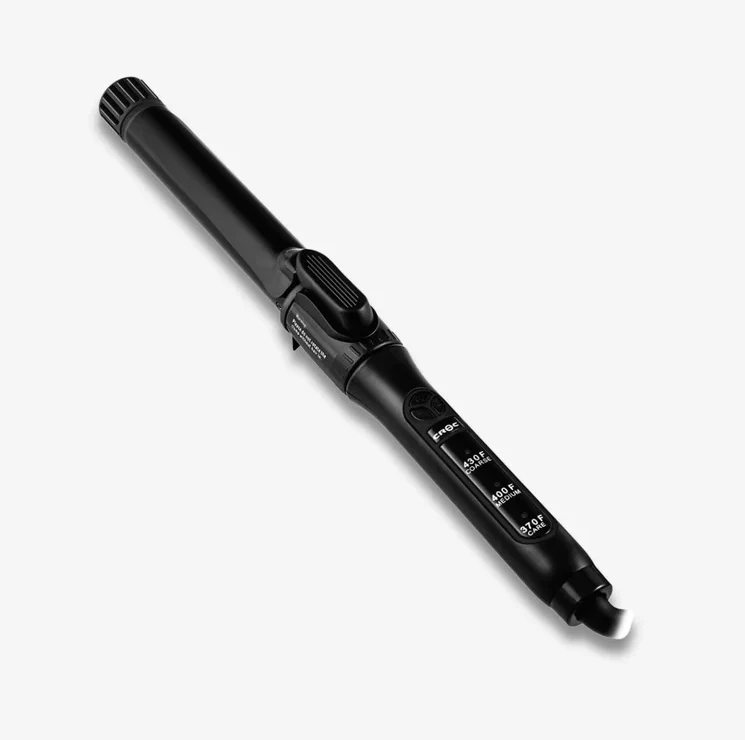
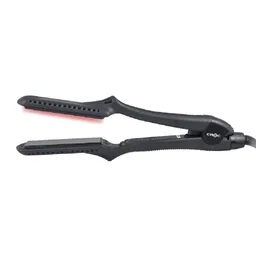
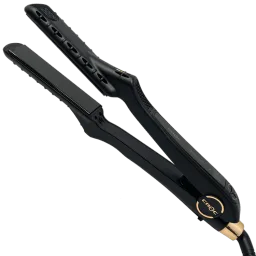
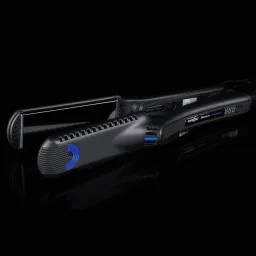
The CROC irons I'd use on treated hair
How to maintain a keratin treatment with a flat iron
- Wait out the first 72 hours (or whatever your stylist said) before washing or clipping — most treatments finish curing in that window.
- Wash with a sulfate-free shampoo. Sulfates strip the treatment faster than any iron will.
- Dry completely before the iron. Damp treated hair steams, and steam lifts the coating.
- Set 320°F. Not the number you used before the treatment.
- Section clean, comb through, one quick pass. Treated hair doesn't need a slow pass — it's already smooth. You're refreshing, not straightening.
- Don't iron every day if you don't need to. A treatment's job is to make that unnecessary. Twice a week is plenty for most people.
- Keep the plates clean. Product residue on a plate burns and drags across treated hair. Wipe them cool with a damp cloth.
Frequently asked questions
Henry Rodriguez has designed and sold professional hair tools since 2010. CROC irons are tested before they ship and covered by a 5-year limited warranty. Register yours →
Is there such a thing as a keratin-safe flat iron?
Not as a standard or a certification. Any iron with an accurate digital display, even titanium or tri-plate heat, and a range that goes low enough for maintenance is "keratin-safe" in the only way that matters.
What temperature does a keratin treatment need?
450°F to seal it in the salon. 300–350°F to maintain it at home afterwards. Using salon temperatures at home is the most common way people shorten a treatment's life.
Can a flat iron ruin a keratin treatment?
Yes — by running too hot, running unevenly, or with dirty plates. Too hot over-processes the coating; uneven heat does it in patches; residue burns onto the hair. All three are tool problems you can buy your way out of.
Titanium or ceramic for keratin-treated hair?
Titanium or a titanium-surfaced tri-plate, for even heat. Pure ceramic is gentler but slower and less even across the plate, which on treated hair means more passes.
How often should I flat iron keratin-treated hair?
As little as it takes. The treatment is supposed to do the smoothing. Two or three quick passes a week at 320°F is normal; daily at 400°F is how treatments fail early.